Morphology is the assessment of the size, shape, and structure of individual sperm cells. In the cattle industry, it is a critical component of the Bull Breeding Soundness Evaluation (BBSE), as it is the trait most strongly correlated with a bull’s calf output.
Key Components of Bull Sperm
A normal bull sperm cell consists of three main parts:
Classification of Morphological Defects
Defects are typically categorised based on their origin or their impact on fertility:
Evaluation Standards
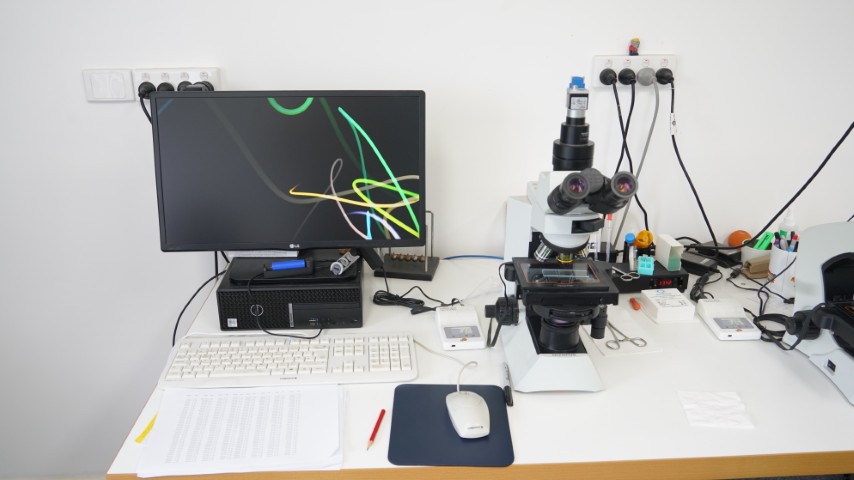
At Just Genes, John Cooper, our chief scientist and co-owner along with our technical team are specialists in morphology. Every sample is thoroughly examined to confirm that the sperm you’ve invested time, care, and resources into collecting and storing is genuinely viable.
Common Abnormalities:
Factors Affecting Morphology
Sperm morphology is not permanent and can be influenced by:
- Stress: Environmental heat, illness, or transport stress can temporarily increase abnormalities.
- Age: Young bulls (under 15-18 months) often show higher defect rates as they mature.
- Genetics: Certain breeds (e.g., Brahman vs. Angus) have different baseline morphology profiles and predispositions to specific defects.
Using advanced technology, our team assesses each sample for its potential to produce healthy offspring. Without this step, breeding outcomes can be unpredictable — leading to significant losses in time and cost in the agistment process. Morphology assessment is now a trusted part of modern artificial breeding practice.
Just Genes combines technology, expertise, and precision so you can approach your breeding program with confidence.